
As foreign aid declines, can African countries raise more tax revenue?
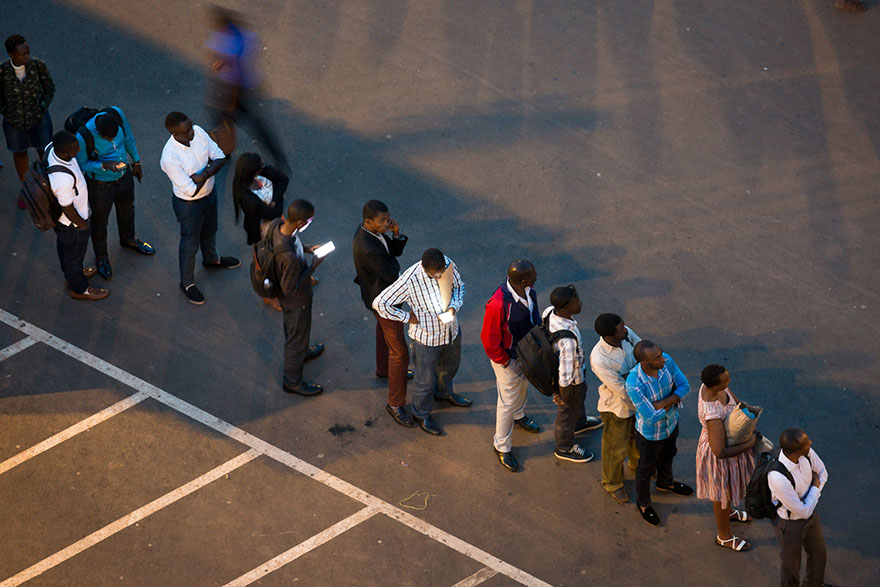
Digital technologies can reduce the time and administrative costs involved in paying taxes, researchers say. Photo: Kelley Lynch/World Bank
In a new video, three researchers and experts discuss why domestic tax revenue is becoming increasingly important for African countries – and how governments can strengthen tax systems as foreign aid declines.
Volatile and declining aid flows are putting greater pressure on African governments to mobilise resources domestically. At the same time, high debt levels in many countries limit the scope for borrowing to finance development, making effective and sustainable tax systems increasingly important.
The video features Stephen Karingi of the United Nations Economic Commission for Africa (UNECA) and NAI researchers Emmanuel Orkoh and Jörgen Levin. The three recently took part in the NAI webinar Efficient revenue mobilisation and inclusive tax systems.
They highlight several possible avenues for reform. Karingi points to the widespread use of tax incentives and exemptions intended to encourage investment and job creation, arguing that these need to be better targeted and time-bound. Levin emphasises the need to simplify complex tax systems, making it easier for businesses and individuals to understand what they are expected to pay. Orkoh highlights ways of making economic transactions more visible and verifiable, including through invoice-based tax reporting.
Digitalisation offers further opportunities. Digital technologies can reduce the time and administrative costs involved in paying taxes, improve access to information and help tax authorities broaden the tax base. But the experts also stress that technology is not a solution in itself. Digital tax systems need to be simple, accessible and transparent if they are to strengthen tax administration while making it easier for businesses and individuals to comply.